PJ LOBSTER HOUSE

The Cold-Water Difference: Why Maine Lobster Reigns Supreme in Winter

Every winter, something remarkable happens beneath the frigid waters off the Maine coast. As temperatures drop, lobsters burrow into the seafloor and do something counterintuitive: they get better. At PJ Lobster House on Long Island, we’ve built our reputation on understanding this seasonal rhythm and sharing it with guests who deserve nothing less than the best lobster the Atlantic has to offer. This post breaks down the science behind cold-water lobster superiority, the difference between hard-shell and soft-shell, and how to shop like a pro at your local lobster house fish market.

Why Winter Is Lobster Season – Not Just Crab Season

lobster specials long island

Ask anyone who grew up on the New England coast, and they’ll tell you: the best lobster you’ll ever eat comes out of near-freezing water. This isn’t nostalgia talking, it’s biology.

When water temperatures dip below 45°F, lobsters slow their metabolism dramatically. That metabolic slowdown has a delicious side effect: the meat becomes denser, firmer, and noticeably sweeter. The lobster’s body essentially concentrates its energy into the muscle tissue rather than burning it off in activity. The result is a tail that snaps with resistance when you pull it apart, claw meat that fills its shell completely, and a clean, briny sweetness that cuts right through drawn butter.

At PJ Lobster House, our buyers source directly from Maine harvesters who work the cold-water grounds off Penobscot Bay and Mount Desert Island, regions that consistently produce lobster with the texture and flavor profile our guests have come to expect. It’s the kind of sourcing relationship that takes years to build, and it’s why customers repeatedly call us the best lobster on Long Island in their Google and Yelp reviews.

Hard-Shell vs. Soft-Shell: What Every Lobster Lover Needs to Know

This is one of the most common questions we field at our fish market, and it’s one worth answering properly, because the difference matters enormously on your plate.

Hard-Shell Lobster

Hard-shell lobsters are those that have fully hardened their new shell after molting. They’ve had time to eat, grow into their new armor, and fill that shell with dense, rich meat. Hard-shell lobsters:

  • Are heavier for their size, and that weight means more meat
  • Survive transport far better, making them the gold standard for shipping and live tank storage
  • Have a robust, pronounced ocean flavor,  assertive and satisfying
  • Are the predominant variety available in winter, which is exactly when you want them

Soft-Shell Lobster

Soft-shell lobsters, sometimes called “shedders”, have recently molted, and their new shell hasn’t fully hardened yet. They’re seasonal, typically appearing in late summer, and they come with a different culinary personality:

  • Lighter and more delicate in flavor, almost sweet and milky
  • Less meat per pound, but what’s there is extraordinarily tender
  • Shorter shelf life, they must be eaten quickly after harvest
  • Lower price point, making them popular for lobster rolls in peak summer

Neither is “better”, they’re different experiences. But if you’re ordering a whole steamed lobster or a classic shore dinner in winter, hard-shell is the unambiguous choice. Serious lobster enthusiasts will tell you there’s no comparison.

How Cold Water Makes the Difference on the Plate

Temperature affects not just texture but the actual chemical composition of lobster meat. Cold-water lobsters have higher glycogen stores in their muscle tissue, which is the compound that gives the meat its characteristic sweetness. Warmer-water lobsters metabolize glycogen more quickly, which is why they taste comparatively flat.

Maine lobsters (Homarus americanus) thrive in waters between 32°F and 65°F. In peak winter, the Gulf of Maine sits at the lower end of that range, and that’s precisely when the glycogen content peaks. When our chef drops one of these lobsters in a steaming pot, the kitchen fills with a scent that’s half ocean, half sweetness. That’s not marketing. That’s biochemistry.

Pro Tips: How to Identify Fresh Lobster at a Fish Market

Whether you’re shopping at our fish market or anywhere else, here’s what we tell our own customers to look for. These are the same standards we apply when we’re buying.

For Live Lobsters

  • Active movement: A healthy lobster should curl its tail briskly when picked up. Limp, lethargic lobsters are stressed or near the end of their shelf life.
  • Weight relative to size: Pick two lobsters of similar length and choose the heavier one. More weight means more meat.
  • Shell integrity: Hard-shell lobsters should feel rigid and resist any flex. No barnacle build-up is ideal; it suggests the lobster hasn’t been sitting in a tank for months.
  • Antenna length: Long, intact antennae are a good sign of freshness. Shortened antennae suggest tank stress or prolonged captivity.

For Cooked or Pre-Picked Meat

  • Color: Bright white meat with orange-red edges. Grayish or translucent meat indicates under-cooking or age.
  • Smell: Clean ocean brine,  sharp and fresh. Any ammonia or sour notes are a hard pass.
  • Texture: Firm, not mushy. Cooked lobster meat should hold its shape when pressed lightly.

Why Customers Call Us the Best Lobster on Long Island

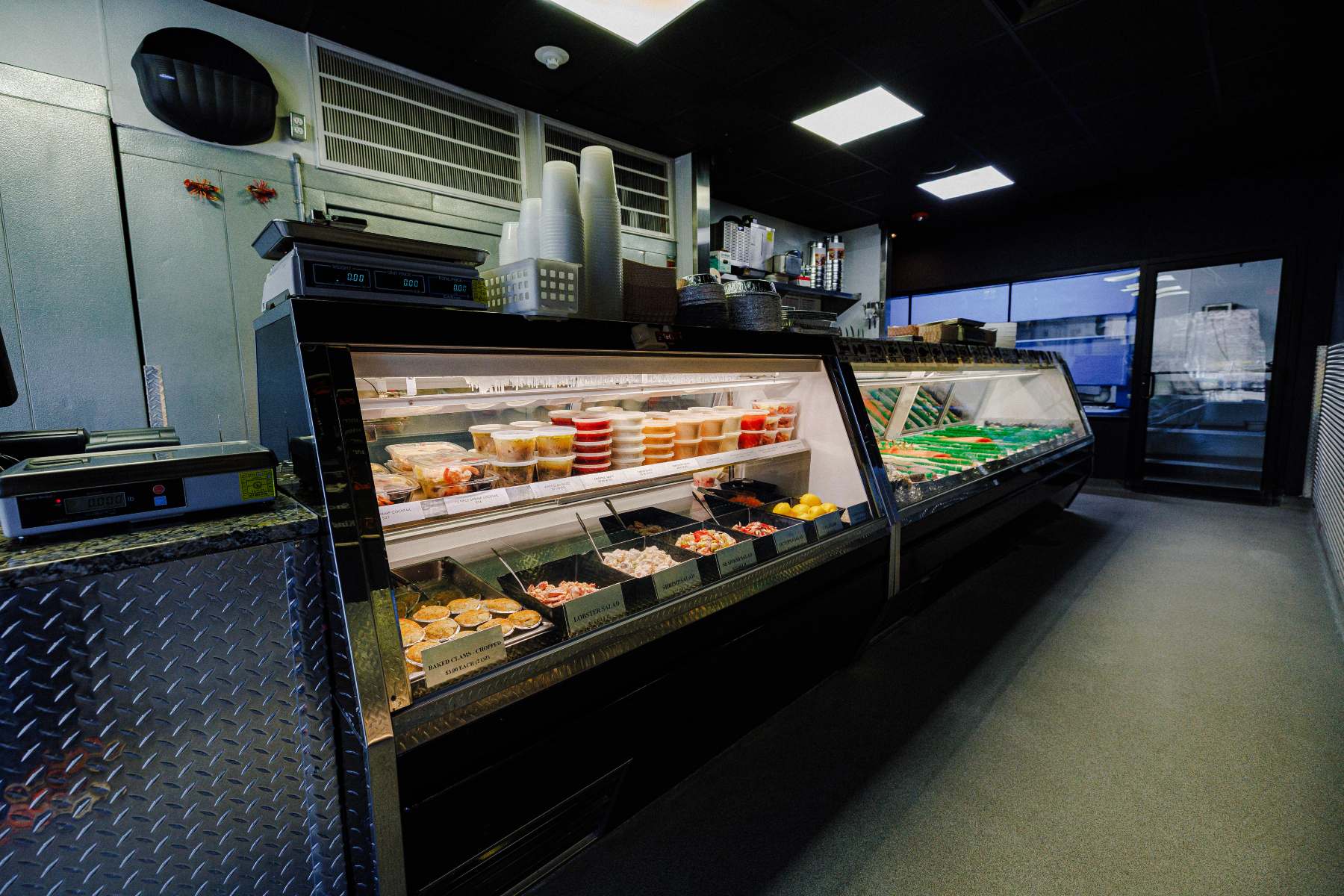
PJ Lobster House isn’t a trend. We’ve been sourcing, selling, and serving lobster the right way for decades, long before “local” and “fresh” became buzzwords. Our fish market carries live Maine lobster year-round, with winter inventory selected specifically for hard-shell quality. We know our suppliers by name. We know which boats they run and which grounds they harvest.

Our customers, many of whom have been coming to us for years, consistently note the difference in our Google and Yelp reviews. Not just the quality of the lobster, but the knowledge of the staff. When you walk into our fish market, you’re not talking to someone reading off a chalkboard. You’re talking to people who genuinely know the difference between a Penobscot Bay hard-shell and a Canadian soft-shell, and why it matters for your dinner table.

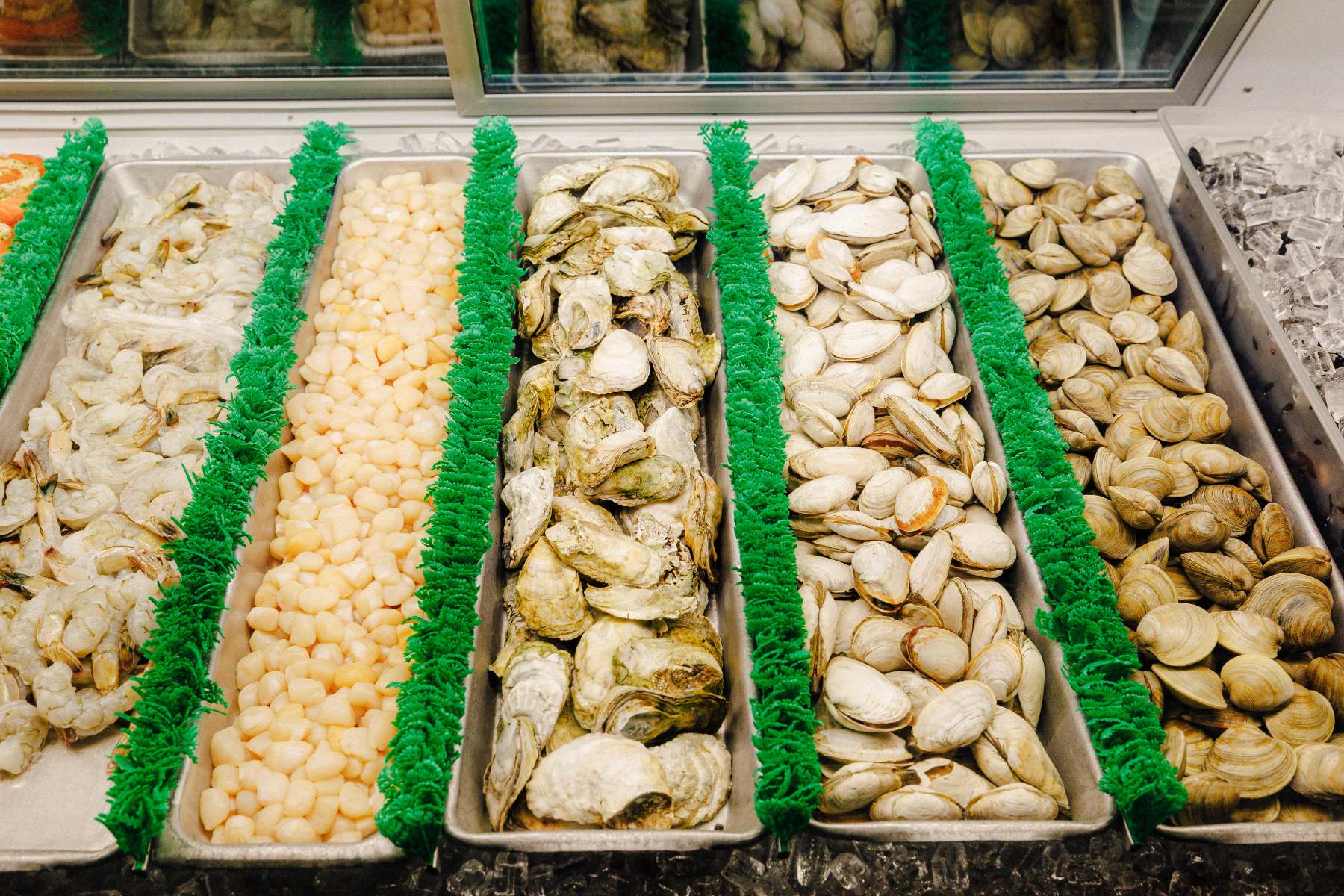
Explore our full selection at the PJ Lobster House Fish Market, or learn more about our story and sourcing philosophy.

Ready to taste the cold-water difference?

Stop by PJ Lobster House this winter. Pick out a live hard-shell Maine lobster. Bring it home and steam it simply,  just salted water, drawn butter, and maybe a wedge of lemon. That’s all it takes when you start with the right lobster.

0
    0
    Your Cart
    Your cart is emptyReturn to Shop
    Product has been added

    No products in the cart.

    Explore Food Items