


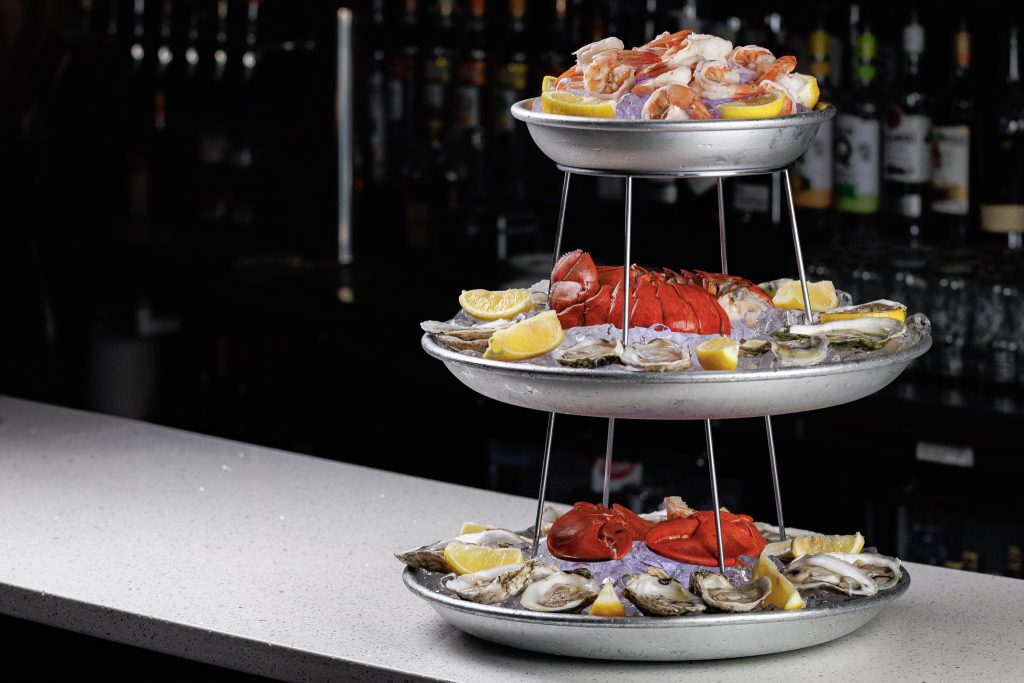
Long Island has no shortage of restaurants with the word "seafood" in the name. But a seafood restaurant on Long Island that actually earns that label, one where the fish is fresh, the raw bar is legitimate, and the kitchen knows what it's doing, is a different thing entirely. Knowing what to look for before you book saves you from a disappointing meal and helps you find the places worth returning to.
Here are seven markers that separate a genuinely great seafood restaurant from one that's coasting on a nautical theme.
How to Evaluate a Seafood Restaurant Before You Walk In the Door
1. The Menu Changes With the Season
A static menu is one of the clearest signs that a restaurant is working from frozen inventory rather than fresh catch. Quality seafood restaurants adjust their offerings based on what's actually available from local fisheries and suppliers. When you see seasonal specials or rotating raw bar selections, that's a signal the kitchen is paying attention to sourcing.
On Long Island's North Shore, proximity to local waters means access to genuinely seasonal product, local littleneck clams, bay scallops in the fall, and fluke in the summer. A restaurant that takes advantage of that geography will show it on the menu.
2. The Raw Bar Is a Priority, Not an Afterthought
A raw bar tells you a great deal about a restaurant's standards. Oysters and clams on the half shell require careful sourcing, proper cold storage, and skilled shucking. A restaurant that does the raw bar well has built the operational infrastructure to handle fresh shellfish correctly, which reflects on everything else coming out of the kitchen.
Ask where the oysters come from. If the staff can tell you, and they usually can at a restaurant that takes it seriously, that's a good sign. If the answer is vague, take note.
3. The Kitchen Has a Point of View on Preparation
Generic seafood menus offer everything prepared every possible way without real conviction about any of it. A kitchen with genuine expertise tends to have a perspective. Certain dishes are prepared a specific way because that's the right way to prepare them, not because it appealed to a committee.
Look for dishes where the preparation method is integral to the dish itself, a seafood paella built around the right rice-to-broth ratio, a clam sauce made with fresh shucked local clams, or a salmon pinwheel stuffed with house-made seafood filling. These are the choices of a kitchen that cooks rather than one that just plates.
4. Longevity in the Market Means Something
Restaurants that have operated successfully in the same market for decades are doing something right. On Long Island, where dining options are abundant and locals have strong opinions, longevity is not accidental. It reflects consistent quality, reliable sourcing, and a kitchen that has refined its approach over time.
PJ Lobster House has been part of Port Jefferson since 1995. That kind of track record on Long Island's competitive North Shore dining scene is earned, not inherited. You can read more about the restaurant's history on the PJ Lobster House about page.
5. Menu Depth Signals Kitchen Confidence
The range of a seafood menu matters, but so does the depth within each category. A restaurant with five pasta dishes built around local clams and shrimp is telling you something different than one with a single "seafood pasta" with no further description. Depth reflects a kitchen that has thought carefully about its ingredients and knows how to use them in multiple contexts.
The full menu at PJ Lobster House covers everything from chowders and raw bar to whole lobster preparations, stuffed filets, and pasta dishes built around local shellfish. That breadth is a reflection of a kitchen that works with seafood at a real level of familiarity.
6. Local and Chain Are Not the Same Proposition
Chain seafood restaurants operate on national supply chains with centralized purchasing decisions. That model prioritizes consistency and margin over freshness and regional sourcing. A local North Shore restaurant can build relationships with local suppliers, adjust purchasing based on what's available that week, and make menu decisions that a corporate kitchen simply cannot.
That structural difference matters most in seafood, where the gap between fresh and previously frozen is significant in both taste and texture. When you're dining at an independently owned restaurant with long-standing supplier relationships, you're eating something the chain model cannot replicate.
7. The Staff Can Answer Questions About the Food
This one is simple and reliable. Ask your server where the oysters are from, or how the chowder base is made, or what the difference is between the two clam dishes on the menu. In a kitchen-confident restaurant, the front-of-house staff knows the answers because the food is worth knowing about. Vague or deflected answers tell you something too.
Frequently Asked Questions
What should I look for in a seafood restaurant on Long Island?
Focus on sourcing transparency, raw bar quality, seasonal menu changes, and staff knowledge. Restaurants that can speak specifically about where their fish and shellfish come from are generally operating at a higher standard than those that cannot.
How can I tell if a seafood restaurant uses fresh versus frozen fish?
Look for seasonal specials that rotate with local availability, raw bar offerings that require fresh daily inventory, and menu language that references local sourcing. You can also ask directly, a restaurant proud of its sourcing will tell you.
Is a local seafood restaurant better than a chain for fresh catch on Long Island?
In most cases, yes. Local restaurants on Long Island's North Shore can source directly from regional suppliers and adjust their menus based on what's available. Chain restaurants rely on national supply chains that prioritize consistency over freshness. For seafood specifically, that difference shows up on the plate.
What questions should I ask before booking a seafood restaurant for a group?
Ask about group menu options, whether private dining space is available, what is included in any party packages, and how far in advance reservations are required. The PJ Lobster House FAQ covers the most common questions about dining, reservations, and group events.